
Rippers and Frost Attachments in Southern Alberta
Foothills Equipment carries 11 rippers and scarifiers for excavators, mini excavators, dozers, motor graders, backhoes, wheel loaders and skid steers, from Weldco-Beales, FMS, AMI, Steelwrist and TMG Industrial. We are in Calgary and Lethbridge, serving Southern Alberta, everything south of Red Deer. A ripper is a single heavy tooth that breaks ground the bucket cannot get into, which in this province means roughly half the year.
11 rippers and scarifiers across five lines.
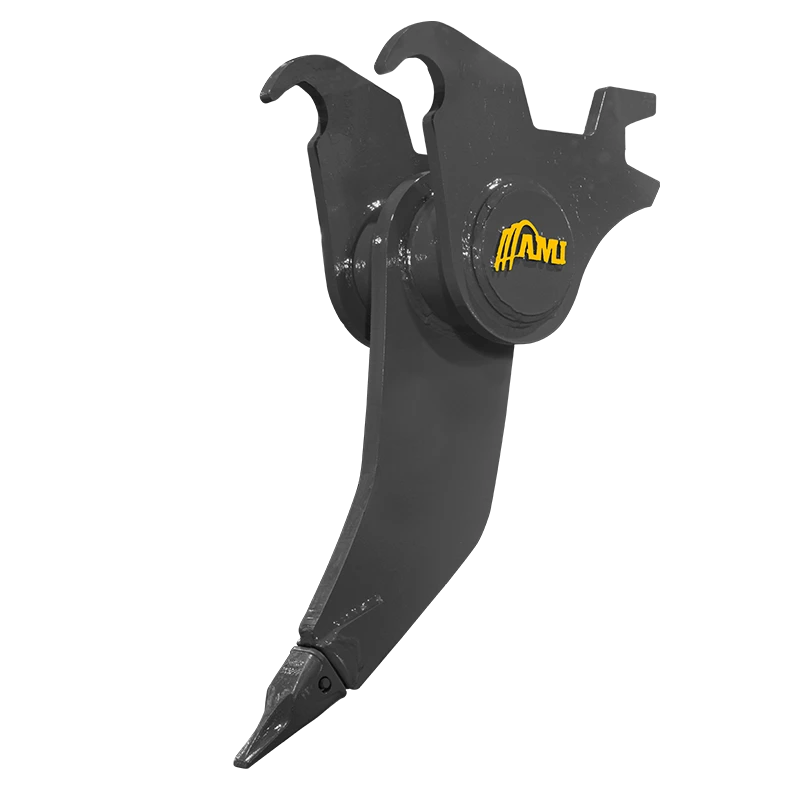
Frost Ripper
Talk to an Advisor →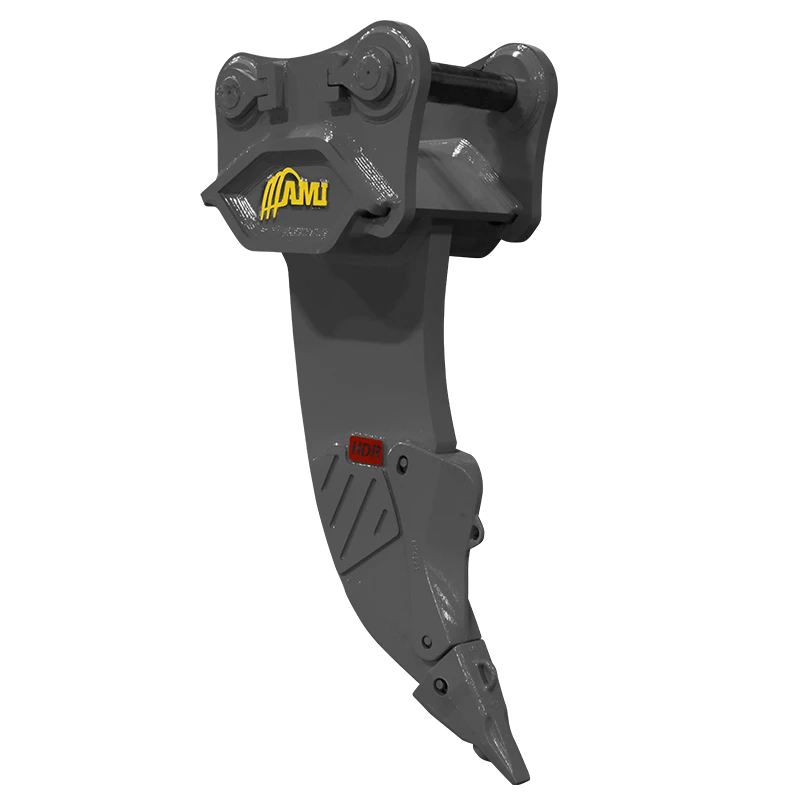
Rock Ripper
Talk to an Advisor →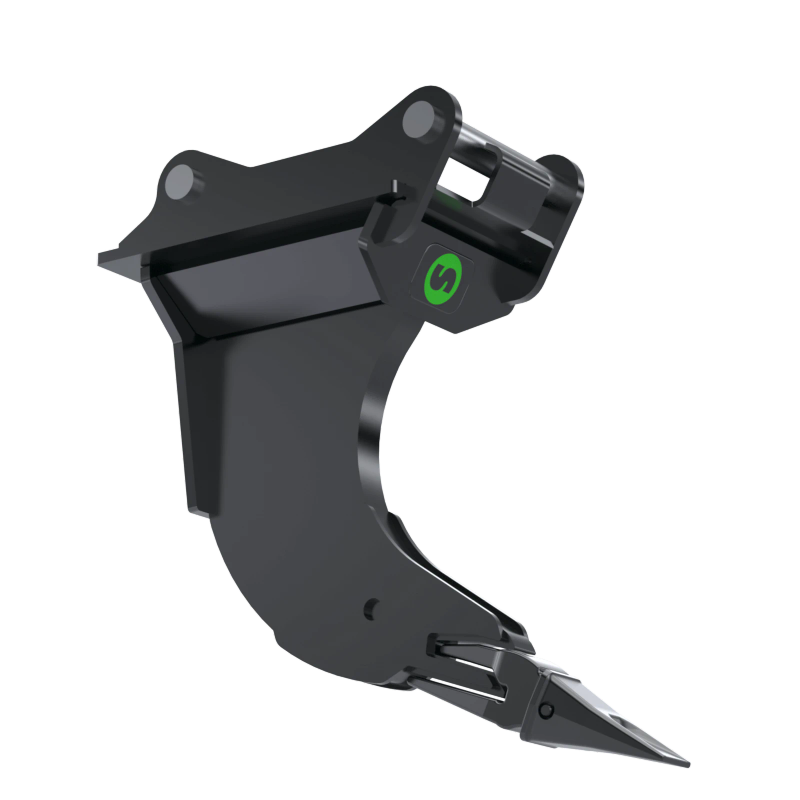
Ripper
Talk to an Advisor →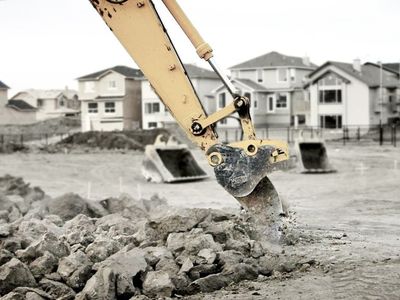
EX Stick Mounted Ripper
Talk to an Advisor →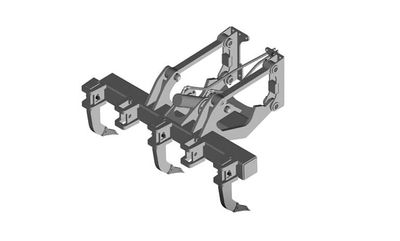
CD Parallelogram Ripper
Talk to an Advisor →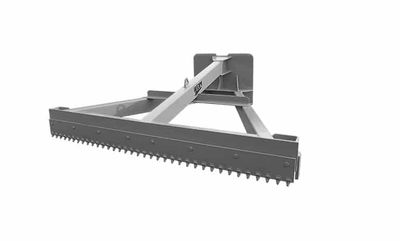
WL Ice/Snow Scarifier
Talk to an Advisor →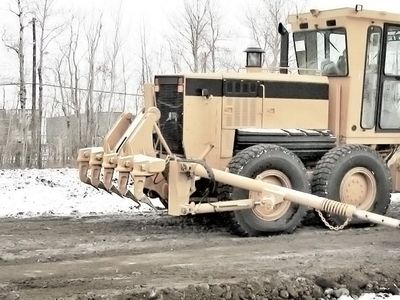
MG Parallelogram Ripper
Talk to an Advisor →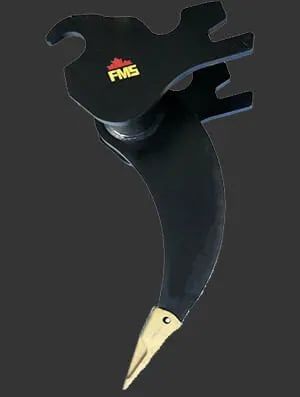
Excavator Ripper
Talk to an Advisor →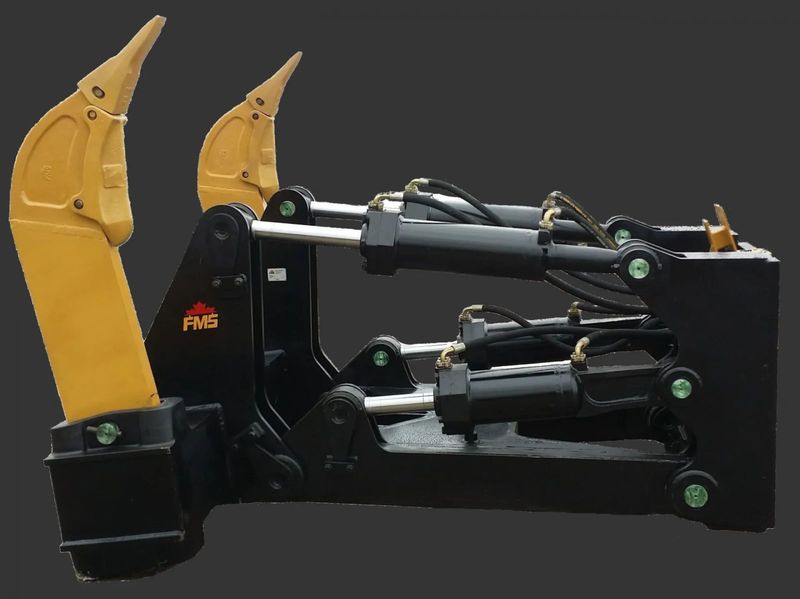
Dozer Rippers
Talk to an Advisor →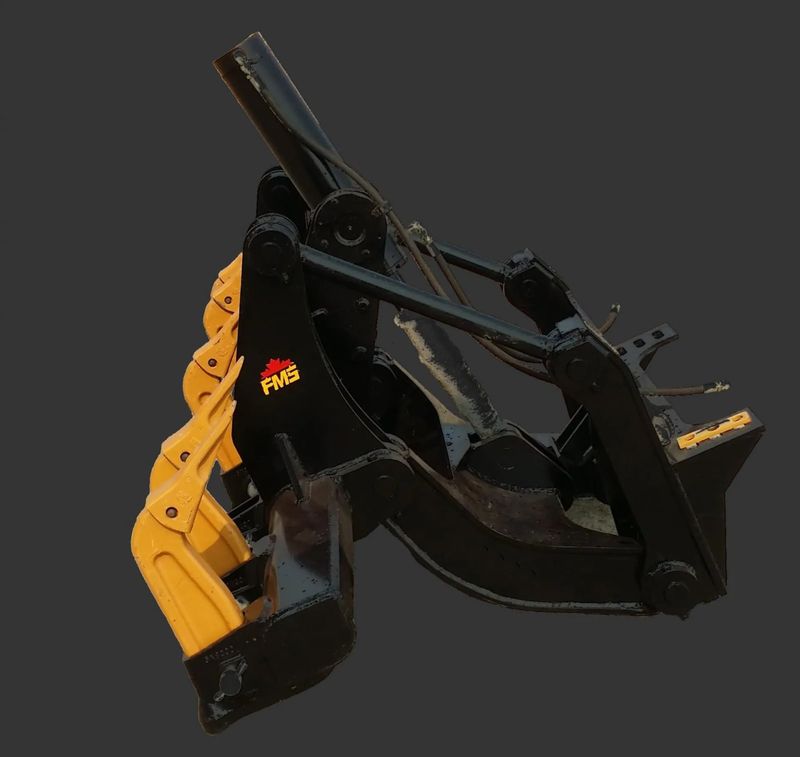
Ripper
Talk to an Advisor →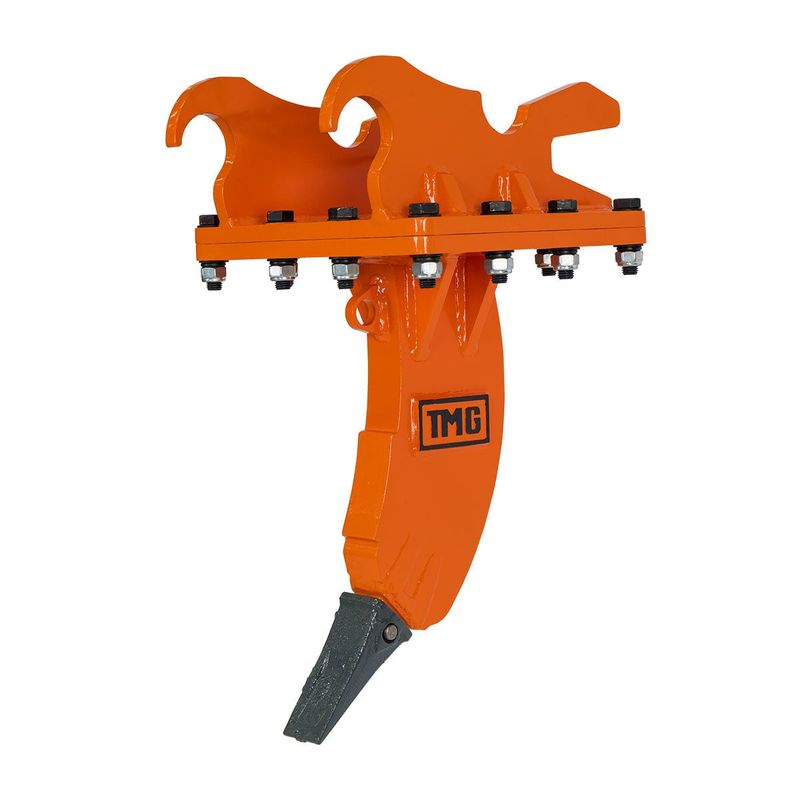
TMG Excavator Ripper
Talk to an Advisor →
No rippers and scarifiers match those filters.
Clear a filter to see the rest, or tell an advisor what machine you run and we will find the right one.
One tooth, several very different tools.
Excavator rippers
A single shank on the end of the stick, pin on or on a coupler, that uses the machine full breakout force through one point. Frost, hardpan, shale, frozen clay and old asphalt. Frost rippers are built specifically for the freeze, which in Southern Alberta is not a specialty product, it is a season.
Rock rippers
Heavier again, for shot rock and hard material where a frost tooth would fold.
Stick mounted rippers
Mounted to the stick rather than swapped onto the coupler, so the machine keeps its bucket and rips without a tool change.
Dozer and grader parallelogram rippers
Rear mounted shanks on a parallelogram linkage that keeps the tooth at the same angle as it goes deeper. Road rebuilds, frozen subgrade and breaking up an old surface before regrading it.
Ice and snow scarifiers
A row of shorter teeth that break the packed ice and snow layer a blade rides over. Wheel loader, backhoe and skid steer widths.
Land rippers
A skid steer tool with several shanks for breaking up compacted ground before grading or seeding.
The machine does the ripping. The tooth just focuses it.
Machine weight is the limit
A ripper turns the machine full down force into one point, and that is hard on the boom, the stick and the pins. A ripper sized for a bigger machine will not make a smaller machine rip harder, it will just find the machine weak point. Every ripper we carry is rated to a machine class.
One tooth or several
A single shank goes deeper into hard material. Multiple shanks cover more ground in softer material. Frost usually wants one.
Shank and tip are wear parts
Replaceable tips are worth having, and a tip you can get locally is worth more than a tip that is slightly better on paper.
Mount
Pin on, coupler mounted, or on a rear ripper frame for dozers and graders. Skid steer tools run a universal skid steer quick attach. Tell us the machine and the coupler.
On frost, a straight word
A ripper is the cheaper answer than a breaker for frost and frozen ground, and it does not need hydraulics. A breaker is the answer for concrete and for rock that does not shear. Plenty of contractors here run both, and an advisor will tell you which one your work actually calls for rather than selling you the dearer one.
Questions we get asked
What is the best attachment for frozen ground?
For frost and frozen clay, a ripper. It uses the machine own force through one tooth to shear the frozen layer, it needs no hydraulics, and it costs less than the alternative. For concrete, reinforced material or rock that will not shear, a hydraulic breaker. Tell an advisor what you are actually hitting and we will tell you which one, including when the answer is the cheaper one.
Will a ripper damage my excavator?
Not if it is sized to the machine. A ripper concentrates everything the machine has into one point, so an oversized tooth finds the weakest part of the boom, the stick or the pins. Stay inside the rated machine class, and do not use the ripper as a pry bar, which is how most of them get bent.
Do I need extra hydraulics for a ripper?
No. A ripper is a passive tool, so it runs on any machine it fits. That is a large part of why it is the practical choice for frost work on a machine that is not plumbed for a breaker.
What is a scarifier?
A row of shorter teeth that break the packed layer on a road or a lot, either frozen snow and ice or a compacted gravel surface, so the blade behind it has something to move. It is the step before grading rather than a grading tool itself.
Do you have rippers for dozers and graders?
Yes. Rear mounted parallelogram rippers for both, which hold the tooth angle constant as it goes deeper, plus grader rippers from the Alberta built line.
Tell us what you are trying to get through.
Frost, hardpan, shale, ice or old pavement, plus the machine. An advisor will tell you whether the answer is a ripper, a breaker, or getting the timing right.